Roof Flashing Explained: Small Details That Stop Big Leaks
Roof flashing is the thin metal sheeting fitted around roof junctions, penetrations and edges to direct water safely onto the roof surface or into gutters. Although it occupies a small part of your roof, it protects some of the areas most vulnerable to leaks. For Canberra homeowners, sound flashing is particularly important during wind-driven rain, storms and seasonal temperature changes.
How Does Roof Flashing Prevent Leaks?
Roof coverings shed water effectively across open surfaces, but junctions interrupt that flow. Wherever a roof meets a wall, chimney, skylight or vent, water needs a carefully formed pathway around the obstruction.
Flashing creates that pathway through shaped metal, appropriate upstands and overlapping sections. Effective flashing relies on correct design and installation, not simply a bead of sealant. Its dimensions and detailing depend on the roof pitch, roofing profile, location and exposure.
Where Is Flashing Used?
- Roof-to-wall junctions: Apron, sidewall and cover flashings help stop water entering where roofing meets an adjoining wall.
- Chimneys: Flashings divert water around the chimney, while counterflashing protects the upper edges of the flashing assembly.
- Skylights and roof windows: Compatible flashing systems direct runoff around the frame and back onto the roof.
- Pipes and vents: Purpose-made boots or penetration flashings seal around openings while accommodating appropriate movement.
- Valleys: Valley gutters collect water where roof slopes meet and carry it towards the guttering.
Why Canberra Conditions Matter
Canberra’s hot summer days, cold winters and frosty mornings expose roofing materials to repeated expansion and contraction. Poorly detailed joints, unsuitable fasteners and deteriorating seals can become vulnerable as materials move.
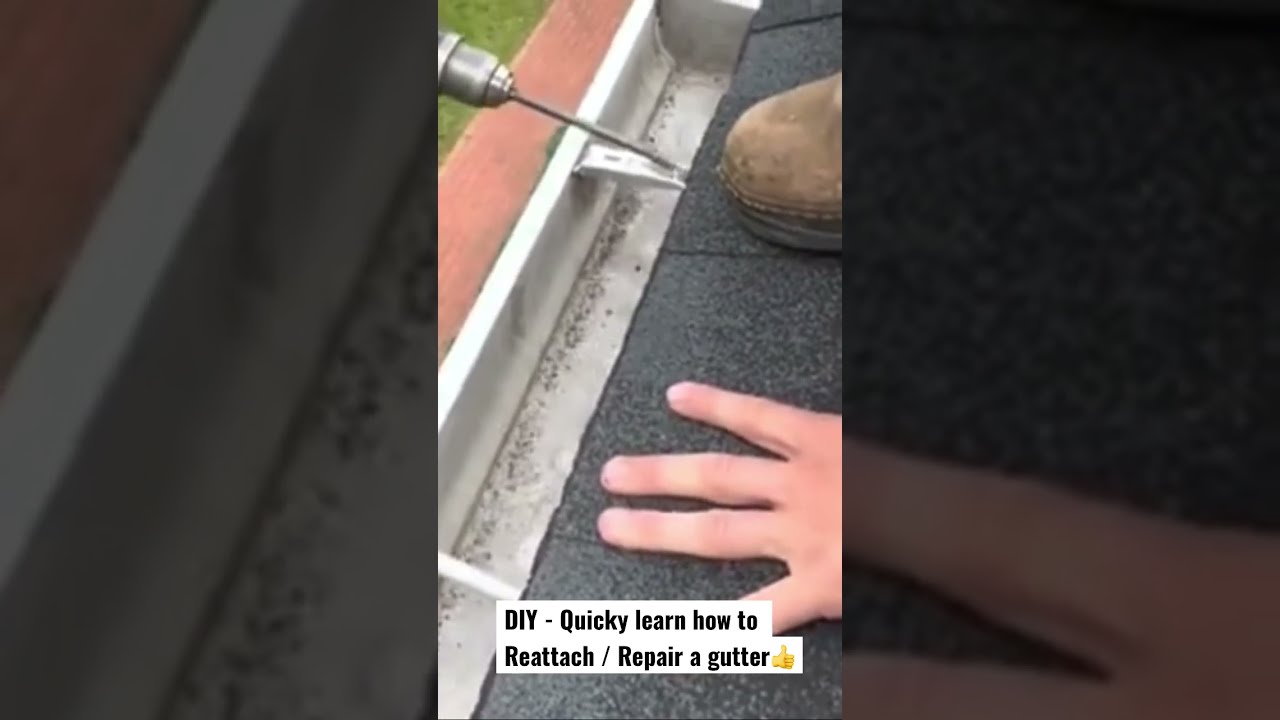
Wind-driven rain can also reach gaps that ordinary rainfall does not expose. Leaves and debris around valleys, chimneys and skylights may obstruct drainage and hold moisture against metal components. Properties near established trees benefit from particular attention to these collection points.
Warning Signs of Flashing Problems
Look for ceiling stains, damp patches near external walls, peeling internal paint or water marks around a skylight or chimney. Outside, visible rust, lifted metal edges, split penetration boots and extensive sealant patching can indicate deterioration.
The visible leak is not always directly below the defect. Water can travel along roof framing or other surfaces before appearing indoors. A useful inspection checks the surrounding roof covering, drainage and junctions rather than assuming the nearest flashing is responsible.
Repair or Replace?
When a Localised Repair May Be Suitable
A limited repair may be appropriate when the flashing remains sound and correctly shaped, but an isolated fixing or compatible sealant joint needs attention. The contractor should identify why the defect developed and check whether nearby sections have similar problems.
When Replacement Makes More Sense
Replacement is often more reliable when flashing has rust holes, inadequate overlaps, unsuitable geometry or repeated leak repairs. Adding sealant over an incorrectly detailed junction rarely resolves the underlying problem for long.
Replacement materials and fixings must be compatible with the roof and adjoining surfaces. https://canberraroofrestorationexperts.com.au/repointing/ Some metal combinations, including runoff from certain metals onto others, can accelerate corrosion. Product selection should follow the relevant manufacturers’ guidance.
Practical Maintenance and Hiring Advice
- Check safely from ground level: Look for displaced metal, debris and new water marks, particularly after severe weather. Do not climb onto a wet, frosty or damaged roof.
- Keep drainage paths clear: Arrange safe removal of leaves and debris from gutters and valleys without damaging protective coatings.
- Request a documented diagnosis: Ask for photographs, the likely entry point and an explanation of the proposed repair.
- Confirm the installation approach: Ask how the work addresses water flow, overlaps, thermal movement and material compatibility.
Roof Flashing Work in Canberra, ACT
For roof flashing repairs in Canberra, choose a suitably qualified and insured contractor with experience in your roof type. Ask them to confirm applicable ACT licensing requirements and whether the work requires any approvals. Repairs and replacements should follow applicable National Construction Code requirements, relevant Australian Standards and manufacturer instructions.
Addressing a small flashing defect promptly can help prevent damage to insulation, ceilings and roof framing. A targeted inspection is a practical first step when leaks recur or a junction shows visible deterioration.
Canberra Roof Restoration Experts
(02) 6105 9817